







By Ravi Kumar | Modlingua Certified Translation
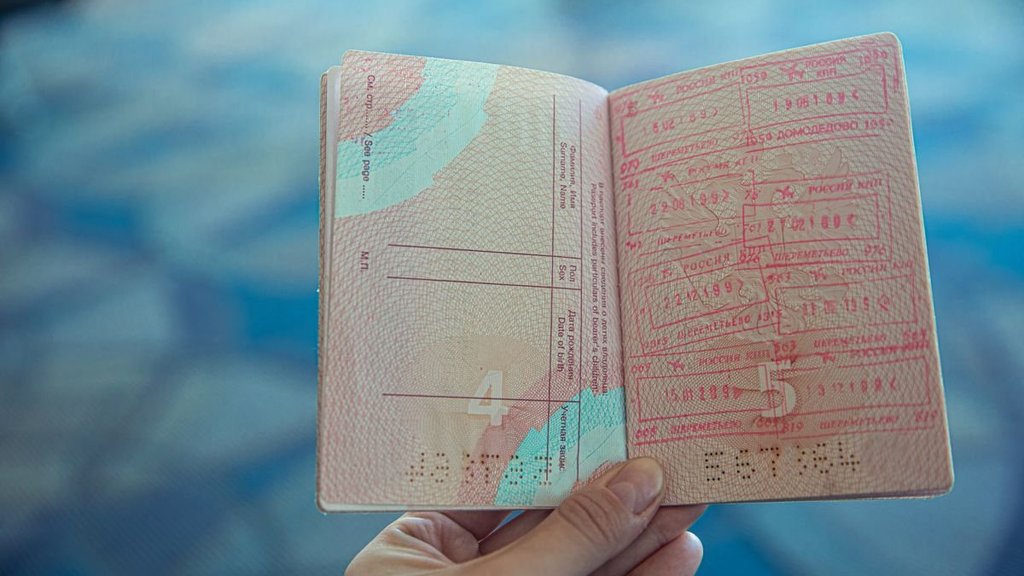 What is an apostille?
An apostille is an official sticker or certificate issued by the Ministry of External Affairs (MEA), Government of India, that authenticates an Indian document for use in another country. It confirms that the signature and seal on the document are genuine. Apostille is accepted in all member countries of the Hague Apostille Convention, which India joined in 2005, and it removes the need for further embassy legalisation in those countries.
Which documents commonly need an apostille?
- Birth, marriage and death certificates
- Degree, diploma and school certificates for study or work abroad
- Police clearance certificates
- Powers of attorney and affidavits
- Commercial documents such as incorporation papers and invoices
- Prepare the original document. The apostille goes on the original or a true copy, so start with a clean, complete document.
- Get the pre-authentication. Personal documents typically go through the Home Department of the issuing state or a Sub-Divisional Magistrate; educational documents go through the state education department (HRD); commercial documents go through the relevant chamber of commerce.
- Submit to the MEA. The Ministry of External Affairs verifies the prior authentication and affixes the apostille sticker with a unique number. MEA accepts documents through its authorised outsourced service providers, and some documents can be processed digitally through e-Sanad.
- Check the destination country. If the country is a Hague Convention member, the apostille is usually the final step. If it is not a member, the document will need embassy attestation instead.
Where does translation fit in?
When the destination country’s authorities do not read the language of the document, a certified translation is required alongside the apostille. In some cases the translation itself must also be authenticated. Confirm the exact sequence with the receiving authority or your service provider before you begin, because doing the steps in the wrong order means starting over.
- Apostilling a photocopy when the authority wants the original
- Skipping the state-level authentication before the MEA step
- Getting an apostille for a country that is not a Hague member and actually needs embassy attestation
- Translating after apostille when the authority wanted the translation apostilled too
Apostille help at Modlingua
Modlingua handles apostille and attestation services for the MEA and apostille and attestation in New Delhi, together with the certified translation that goes with your documents.
